
 By Faizyab Ahmed
The short version: more and more Google searches end on the results page without a click to any website. That is real, it is measured, and it is the reason many small business owners see impressions holding steady while visits fall. It does not mean websites stopped mattering. It means the job of a website has shifted from collecting browsers to converting the fewer, higher-intent visitors who still arrive.
If you have looked at your own analytics lately and wondered where the clicks went, this is the most likely piece of the answer.
What The Data Actually Says
Two studies are worth knowing, because they measure different things and both are sturdier than the round-number claims that circulate on social media.
- Pew Research Center tracked the real browsing of 900 US adults. When a Google AI summary appeared, people clicked a traditional result link in 8% of visits. When there was no summary, it was 15%. Clicks on the links inside the summary itself were about 1% of visits, and users were more likely to end their browsing session right after seeing one (26% versus 16%).
- Semrush analyzed roughly 69 million AI Mode sessions and found about 93% ended without a click to any website, against about 83% for searches showing an AI Overview and around 60% for standard Google searches.

One detail in the Semrush data matters more than the headline number: the 93% average is driven by informational queries. Transactional searches in AI Mode still sent about 69% of users on to a website. People who are ready to hire or buy still need somewhere to go, and that is exactly where a small business should be aiming.
Who Gets Hurt, And Who Doesn't
The pain is concentrated. A site living on "what is", "how to", and "why does" traffic is directly in the path of AI summaries, because those questions are exactly what the summary answers. A business that earns leads from searches like "Webflow developer for hire", "plumber near me", or "website redesign cost" is far less exposed, because those searchers want a provider, not a paragraph.
This also explains an odd pattern many owners notice: impressions in Search Console stay flat or grow while clicks sag. Your page is still being shown, and sometimes still being used to build the answer, but the searcher is satisfied before scrolling to it.
Five Moves That Still Bring In Leads
1. Aim at buying-intent queries, not just curiosity
Keep a few educational posts for trust and citations, but build the core of your site around the pages people land on when they are ready to act: service pages, pricing pages, comparison pages, and location pages. Those queries produce the visits that survive zero-click behavior.
2. Treat your Google Business Profile as a second website
For any business with a local element, the map pack and profile are often where the decision happens: calls, directions, and website taps come straight from the results page. A complete profile, accurate hours, real photos, and steady reviews do more for local leads than another blog post. Make sure the website link on it points to a page built to convert.
3. Write to be quoted, not just ranked
AI systems lift answers that are easy to extract: a direct answer in the first lines, clear headings, short paragraphs, and structured data for FAQs and services. Being named in an answer rarely earns the click, but it earns recognition, and recognition comes back later as a branded search, which is the highest-converting kind. We cover the mechanics in our guide to AI search optimization.
4. Make every visit count
When clicks are scarcer, the value of each one goes up. A visitor who lands on a slow page, a vague headline, or a hunt-for-the-contact-button layout is a lead you paid dearly to earn and then lost. Fast load times, a clear single call to action, a short form, and an instant channel such as WhatsApp convert a larger share of the same traffic. This is the core reason to invest in a focused landing page for your main offer rather than sending everyone to a generic homepage.
5. Measure what matters now
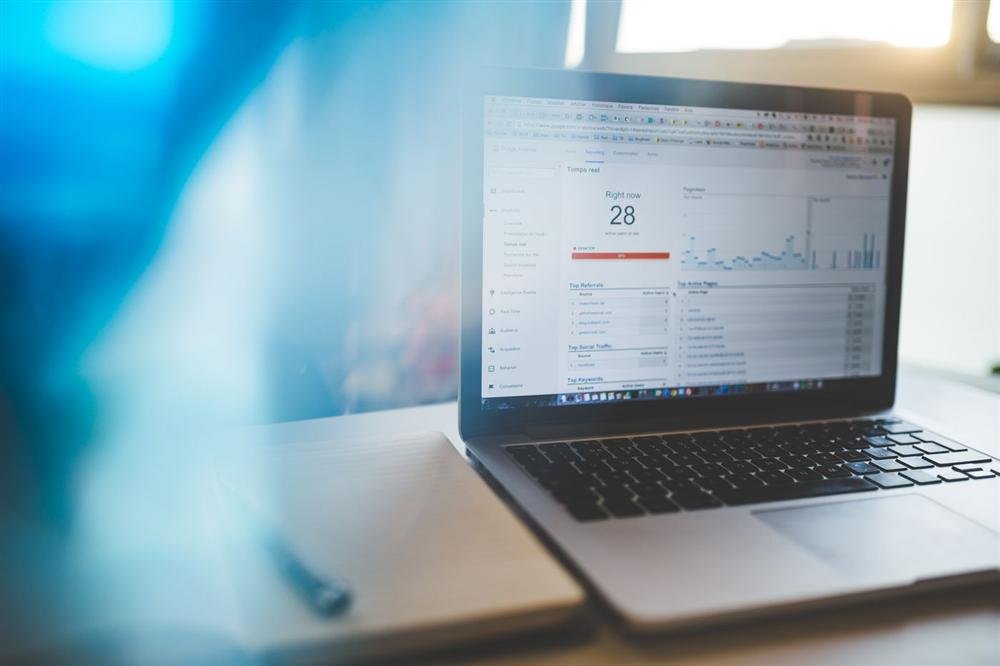
Sessions alone will mislead you in a zero-click world. Watch branded searches in Search Console (people searching your name), impressions on your money pages, and, most importantly, conversions: form submissions, calls, and messages. A month where visits dip but inquiries hold steady is a healthy month, and you would never see that from a traffic graph alone.
What This Means For A Young Website
If your site is new, none of this is a reason to panic. A brand-new domain is slow to earn rankings in any era, and no algorithm shift changes the basics: publish genuinely useful pages, earn real mentions from profiles and directories, and give visitors an easy way to reach you. The zero-click trend simply raises the bar on the last part. Our broader checklist is in how to rank a website on Google.
The Honest Bottom Line
Search is not disappearing, and neither is the value of a good website. What is fading is the easy traffic that came from answering simple questions. The businesses that hold up are the ones that show up for buying-intent searches, look credible at the moment of decision, and turn a smaller number of visits into real conversations.
If you want your site built around that reality, that is what our Webflow website development work is designed for.